
Cisco Call Manager (CUCM) vs TechmodeGO: Life After the Server Room
Cisco Unified Communications Manager, better known as Cisco Call Manager or simply CallManager, has anchored enterprise phone systems for decades. It’s powerful, deeply configurable, and built for organizations with their own voice engineers.
It also comes with a calendar. Every few years a version reaches end of support, and the upgrade pulls servers, virtualization licenses, and partner projects along with it. Right now, a lot of CUCM 14 clusters are running toward an April 30, 2027 support deadline.
TechmodeGO takes the server room out of the equation: a private, dedicated cloud instance for every customer, managed by Techmode, at a published per-seat price. Here’s how Cisco Call Manager compares with TechmodeGO.
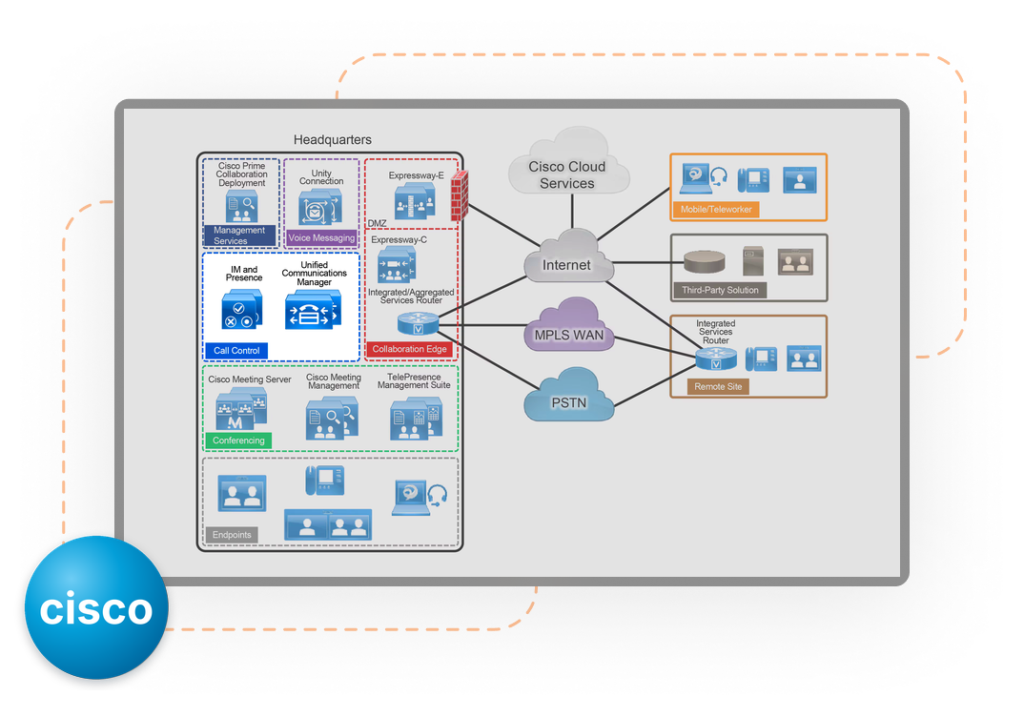
Cisco Unified Communications Manager is Also Known as CUCM
Cisco Unified Communications Manager (CUCM), also known as Cisco Call Manager, is Cisco’s on-premises call control software, usually run alongside separate Cisco applications for voicemail, presence, remote access, and 911 location tracking.
CUCM 14 reached end of sale on April 7, 2025, stopped receiving software maintenance releases on April 7, 2026, and reaches its last date of support on April 30, 2027, along with the rest of the version 14 calling stack. Teams on CUCM 14 can upgrade to CUCM 15, move to Cisco’s Webex Calling, or switch platforms.
TechmodeGO replaces the cluster with a private, dedicated cloud instance built on 3CX, managed by Techmode, with published per-seat pricing and 24/7 U.S.-based Concierge support.
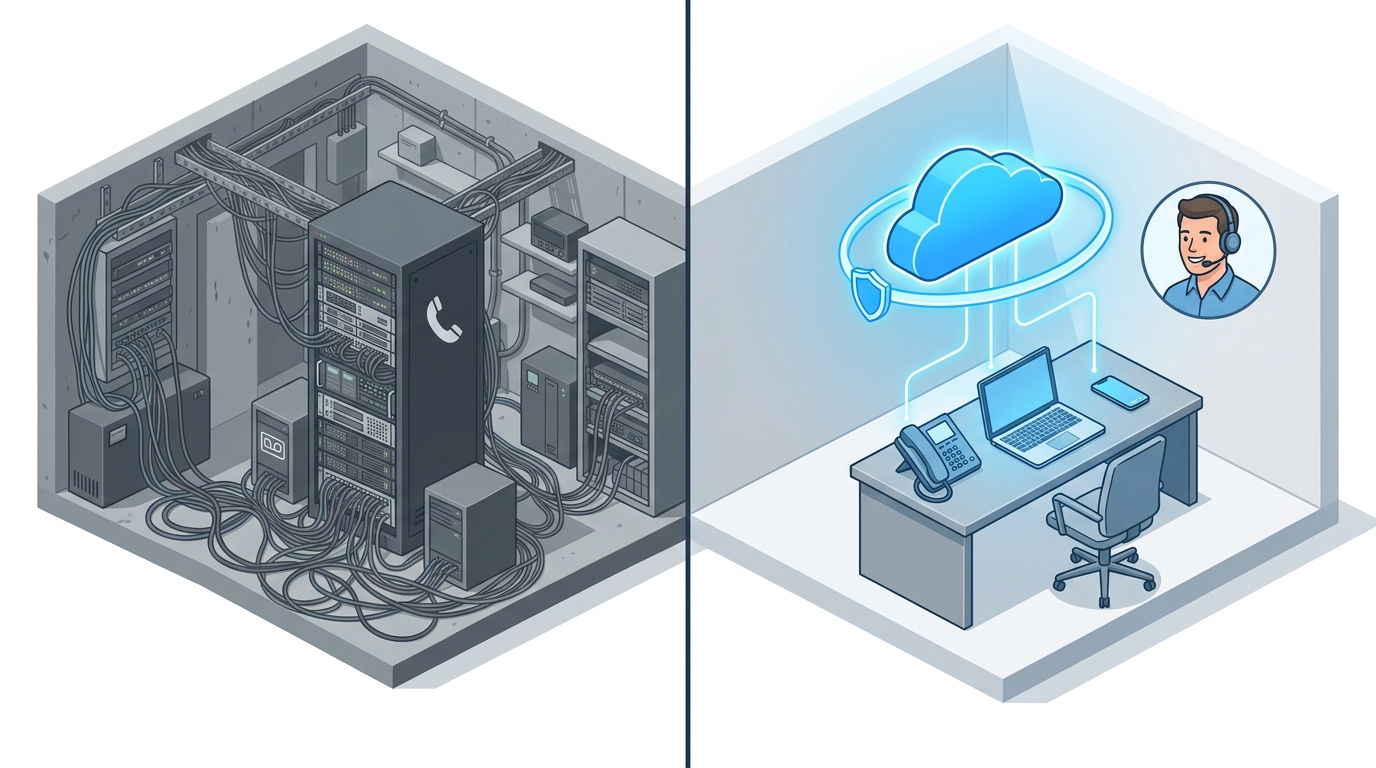
Cisco's Version Deadlines Set Your Upgrade Calendar
CUCM is sold and supported by version, and each version moves through the same end-of-life milestones:
| CUCM version | End of sale | End of software maintenance | Last date of support |
|---|---|---|---|
| 12.5 | August 31, 2023 | August 31, 2024 | August 31, 2025 (support has ended) |
| 14 | April 7, 2025 | April 7, 2026 (maintenance has ended) | April 30, 2027 |
| 15 | Current release | No end-of-life notice yet | No end-of-life notice yet |
After the end of software maintenance date, Cisco Engineering no longer develops, repairs, maintains, or tests that version’s software, so no new bug fixes are released. After the last date of support, all Cisco support services for the version end. CUCM 14 has already passed its maintenance date, so it gets no further fixes even though TAC support continues until April 30, 2027. Teams on 14 have to plan a move to 15 or to a different platform before spring 2027, and the next deadline will arrive the same way.
What You Get With Techmode: No Version Cliff
TechmodeGO runs on 3CX in a private instance that Techmode hosts and maintains. There’s no cluster for your team to rebuild on a vendor’s schedule and no end-of-support date driving a capital project.
A Phone System Built From Five Applications
CUCM handles call control, but a typical Cisco calling stack runs several applications beside it, each with its own servers, versions, and upgrade steps:
- Cisco Unified Communications Manager for call control
- Unity Connection for voicemail
- IM and Presence for chat and status
- Expressway for remote and mobile access
- Emergency Responder for 911 location tracking
Add a Cisco Unified Border Element or third-party session border controller for SIP trunks, and the upgrade checklist keeps growing. Keeping those pieces compatible with each other is a big part of what Cisco voice engineers do all year.
Those deadlines also arrive together. Cisco’s version 14 end-of-life notice covers CUCM 14 along with Unity Connection 14, IM and Presence 14, Emergency Responder 14, Expressway X14, Session Management Edition 14, and Prime Collaboration Deployment 14, and all seven reach their last date of support on the same day: April 30, 2027.
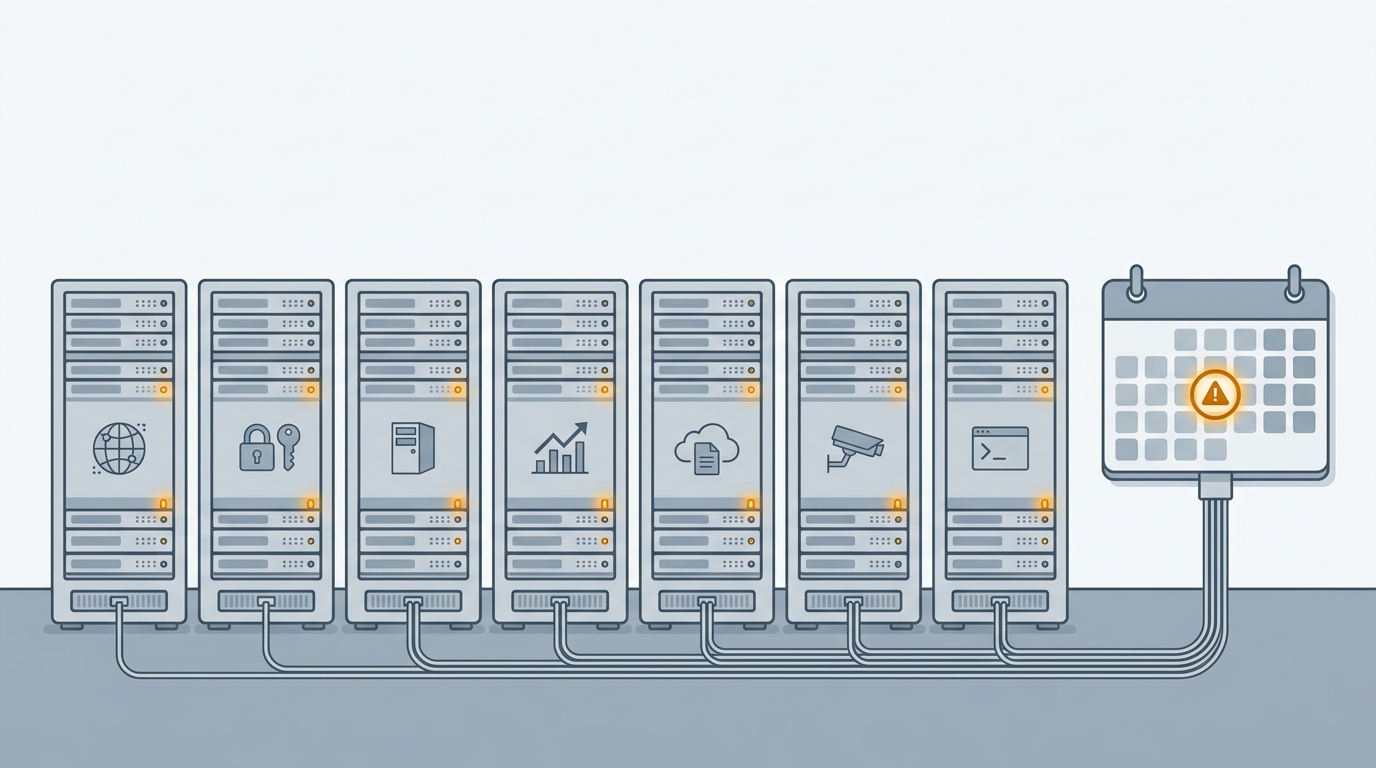
What You Get With Techmode: One Platform
On TechmodeGO, call control, voicemail, chat, presence, video, and the mobile and desktop apps run on one 3CX platform.
Remote workers connect through the apps without a separate edge server, and Techmode’s team keeps the whole system current.
911 is covered too.
E911 support is built into every TechmodeGO phone system, and Techmode registers each location’s dispatchable address during Premier Launch, so emergency calls reach dispatchers with the right location. See how E911 works.
Your Hypervisor Is Now Part of Your Phone Bill
On-premises CUCM runs as virtual machines, and for years VMware ESXi was the only hypervisor Cisco supported for it.
After Broadcom acquired VMware and overhauled its licensing, many voice teams found their phone system tied to a much bigger virtualization bill.
Cisco has responded with more options.
According to Cisco’s release notes for CUCM 15SU4, that release supports VMware ESXi 8.0, Cisco’s own NFVIS-for-UC on Cisco Business Edition appliances, and Nutanix AHV on Cisco Compute Hyperconverged with Nutanix, while ESXi 7.0 and earlier have reached end of support from VMware by Broadcom.
Each path still means owning servers, a hypervisor, and the upgrade plan for both.
What You Get With Techmode: No Servers, No Hypervisor
TechmodeGO runs on private, per client AWS instances with Google Cloud backup. There’s no hardware refresh and no virtualization license to renew. Learn more about Techmode’s Architecture Suite.
Cisco's Roadmap Points to Webex Calling
Cisco still develops and supports on-premises CUCM, but its licensing documents describe customers migrating from UC Manager to Webex Calling, and its Flex Plan subscription is built to ease that move.
For customers who want CUCM without the servers, Cisco offers Webex Calling Dedicated Instance: a private CUCM-based cluster hosted in Cisco’s data centers, sold as an add-on to Webex Calling through Cisco partners.
It’s a real option, but it ties the phone system to the Webex Calling subscription and the Cisco partner channel.

Feature Comparison: Cisco Call Manager vs. TechmodeGO
| Factor | Cisco CUCM (on-premises) | TechmodeGO |
|---|---|---|
| Pricing | Quoted through Cisco partners under the Flex Plan | Published, from $17/seat/month plus applicable taxes and fees |
| What the price covers | Calling licenses; servers, hypervisor, SIP trunks, and partner services are separate | License, SIP trunking, infrastructure, installation, and support |
| Where it runs | Your data center on VMware ESXi 8.0, Cisco NFVIS-for-UC, or Nutanix AHV (per CUCM 15SU4 release notes) | Private, dedicated AWS instance managed by Techmode, or on premises on your hardware |
| Core applications | CUCM, Unity Connection, IM and Presence, Expressway, and Emergency Responder as separate applications | One platform for calling, voicemail, chat, and video |
| Version deadlines | 12.5 support ended August 31, 2025; 14 software maintenance ended April 7, 2026, and support ends April 30, 2027 | No customer-run upgrades |
| Changes after install | Partner professional services, billed per project | Free through Concierge, backed by the lifetime configuration guarantee |
| Remote and mobile access | Typically through Cisco Expressway | Mobile and desktop apps included |
| 911 location | Cisco Emergency Responder, a separate application | E911 support built in, with dispatchable locations registered during Premier Launch |
| Uptime | Depends on your own infrastructure and redundancy | 99.999% uptime SLA |
| Installation | Partner professional services | Premier Launch white-glove install with a dedicated project manager |
| Support | Cisco TAC through your subscription, plus your partner | 24/7 U.S.-based Concierge support |
| Ownership options | Flex Plan subscription | Subscription or purchase |
Cisco details based on Cisco’s published end-of-life notices, CUCM 15SU4 release notes, and Collaboration Flex Plan data sheets, as of October 2026. TechmodeGO pricing reflects published list rates on the transparent pricing page.
What You Get With Techmode: One Published Rate, One Accountable Provider
TechmodeGO publishes its pricing:
Essentials: from $17/seat/month (5 to 20 users)
Professional: from $18/seat/month (15 to 500 users)
Enterprise: from $22/seat/month (50 to 10,000 users)
Rates shown are plus applicable taxes and fees.
Licensing, SIP trunking, infrastructure, installation, and support are bundled into that rate. Prefer to own your system? TechmodeGO also offers a purchase (CapEx) model. See the details on our transparent pricing page.
Changes are included, not billed as projects. After go-live, adds, moves, and call flow changes are handled free through Concierge support and backed by Techmode’s lifetime configuration guarantee. There’s no partner statement of work every time your business changes.
One provider for the platform and the lines. Techmode is a carrier of record, so the phone system, the SIP trunks, and your phone numbers come from the same company. When something breaks, there’s no handoff between a partner, a carrier, and a border element vendor: Techmode owns the platform, the lines, and the outcome.

Quoted Pricing vs Published Pricing
Cisco doesn’t publish a price list for CUCM. Calling licenses are sold through the Cisco Collaboration Flex Plan and quoted through Cisco partners. And the license is only one line of the real cost. A CUCM deployment also carries:
- Servers or Cisco Business Edition appliances, plus their refresh cycle
- Hypervisor licensing
- SIP trunks and a border element, usually from separate vendors
- Partner professional services for installs, upgrades, and changes
- Staff time from engineers who know Cisco voice
Where Cisco CUCM Is a Strong Fit
CUCM earned its reputation, and for some organizations it’s still the right call. It makes sense if you:
- Employ an in-house team of Cisco voice engineers and want full control of every dial plan detail
- Run a Cisco contact center such as UCCE or UCCX that’s tightly integrated with CUCM
- Need calling that runs entirely inside your own network, with no cloud dependency
- Have a large estate of Cisco video endpoints and gateways you plan to keep
If on-premises calling is the requirement, that alone doesn’t rule out a move: TechmodeGO can also run on premises, on your own hardware, installed and supported by Techmode.
For small and mid-sized businesses that want enterprise-grade calling without running the infrastructure, TechmodeGO is the simpler path.

How a Move From CUCM to TechmodeGO Works
A CUCM cluster holds years of routing decisions. Premier Launch treats that history as a blueprint, not something to throw away.
Document the current system. Your Techmode project manager maps route patterns, hunt groups, line groups, voicemail trees, and after-hours rules.
Rebuild the call flows on 3CX. Hunt pilots become ring groups and call queues, and menus become auto attendants, with improvements wherever the old design was a workaround.
Review your phones. Some Cisco handsets can be reused depending on model and firmware; Techmode tells you which before you buy anything.
Port your numbers. As a carrier of record, Techmode moves numbers carrier to carrier on a scheduled date.
Test and cut over. Every call flow is tested before go-live, and Concierge Services support takes over 24/7 afterward.
Other Business VOIP Alternatives Businesses Consider

Alternatives to RingCentral
A household name in cloud calling. Teams leaving on-premises systems often shortlist it, then weigh its shared platform against a private one.

Alternatives to Mitel
Another long-running on-premises name with its own roadmap changes. Many Mitel and Cisco customers are asking the same question about what comes next.

Alternatives to 8x8
Strong on contact center bundles. Worth a look if you need a large agent operation more than a flexible business phone system.

Alternatives to Nextiva
A cloud provider that pairs calling with customer experience tools. Check how much of the bundle your team will actually use.

Microsoft Teams Phone
A natural pick for Microsoft 365 shops. Organizations coming from CUCM should check whether Teams on its own covers their call handling needs.
Running on an older Cisco-hosted platform? Read Is your business phone system running on a platform Cisco bought and largely forgot about?
FAQ
Is Cisco CUCM being discontinued?
No. CUCM 15 is Cisco’s current on-premises release. Individual versions do retire on a schedule, though: CUCM 12.5 reached end of support on August 31, 2025, and CUCM 14 reached end of sale on April 7, 2025, with support ending April 30, 2027.
What happens when CUCM 14 reaches end of support?
CUCM 14 software maintenance releases already ended on April 7, 2026, so Cisco no longer releases bug fixes for it. After April 30, 2027, all Cisco support services for CUCM 14 end. Teams can upgrade to CUCM 15, move to Cisco’s Webex Calling or Dedicated Instance, or move to a different platform such as TechmodeGO.
What's the difference between Cisco CUCM and TechmodeGO?
CUCM is call control software that a business or its Cisco partner runs on servers it manages, alongside separate applications for voicemail, presence, remote access, and emergency calling. TechmodeGO is a complete phone system built on 3CX, hosted on a private AWS instance that Techmode manages, with published per-seat pricing and 24/7 U.S.-based support.
Is Webex Calling Dedicated Instance the same as TechmodeGO?
Both give a customer its own private calling instance. Dedicated Instance is a CUCM-based cluster hosted by Cisco and sold as an add-on to Webex Calling through Cisco partners. TechmodeGO includes a private instance for every customer as standard, at published rates.
Can we keep our phone numbers and call flows when leaving CUCM?
Yes. Techmode ports your numbers carrier to carrier and rebuilds your hunt groups, menus, and after-hours rules as 3CX call queues, ring groups, and auto attendants during Premier Launch.
Can we reuse our Cisco desk phones?
Sometimes. It depends on each phone’s model and firmware. Techmode reviews your phone inventory early in the project so you know what carries over before you buy new hardware.
Do we still need servers or VMware licenses with TechmodeGO?
Not with hosted TechmodeGO. It runs on a private AWS instance that Techmode hosts and maintains, so there are no on-site servers to refresh and no hypervisor licenses to renew. If you prefer to keep calling on premises, Techmode can install and support 3CX on your own hardware instead.
Before you budget for new servers and another version upgrade, see what your CUCM call flows look like on a private, fully managed TechmodeGO instance.